A Tailored Approach to Restoring Mobility.
ACL Reconstruction
Facing an ACL injury? Our tailored ACL reconstruction advanced techniques, from graft selection to fixation methods, are designed to restore your knee stability and strength, setting you on the path to a quick and effective recovery whether you’re an athlete or not.
5.100 €
4.500
6.100
Customer Satisfaction Guarantee

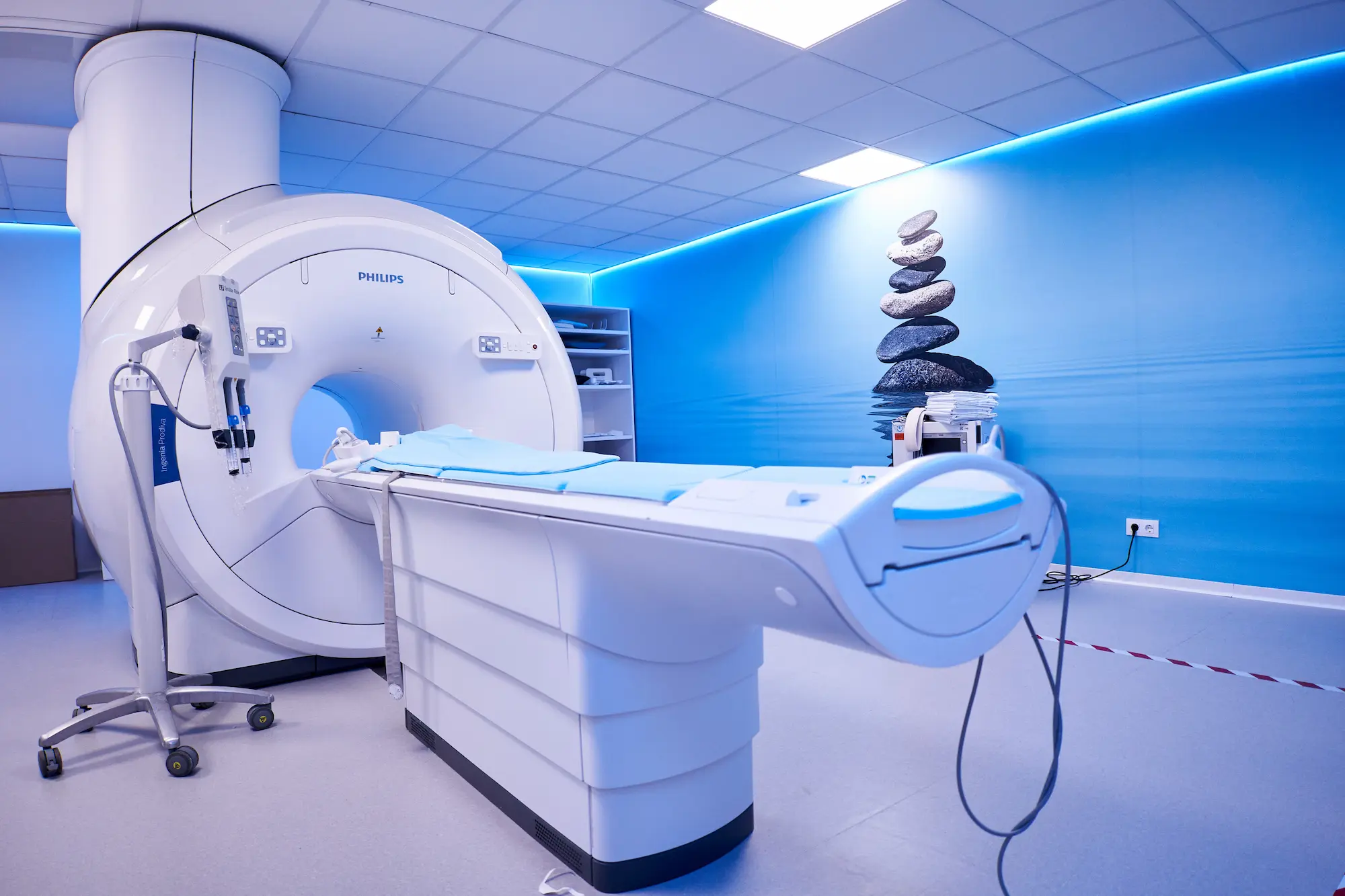
General analytics, X-rays, and MRI.

Arthroscopy (minimally invasive)

Arthrex ACL TightRope®

About 45 to 60 minutes.

From 3 to 6 weeks.

From 6 to 12 months.
Surgery approach
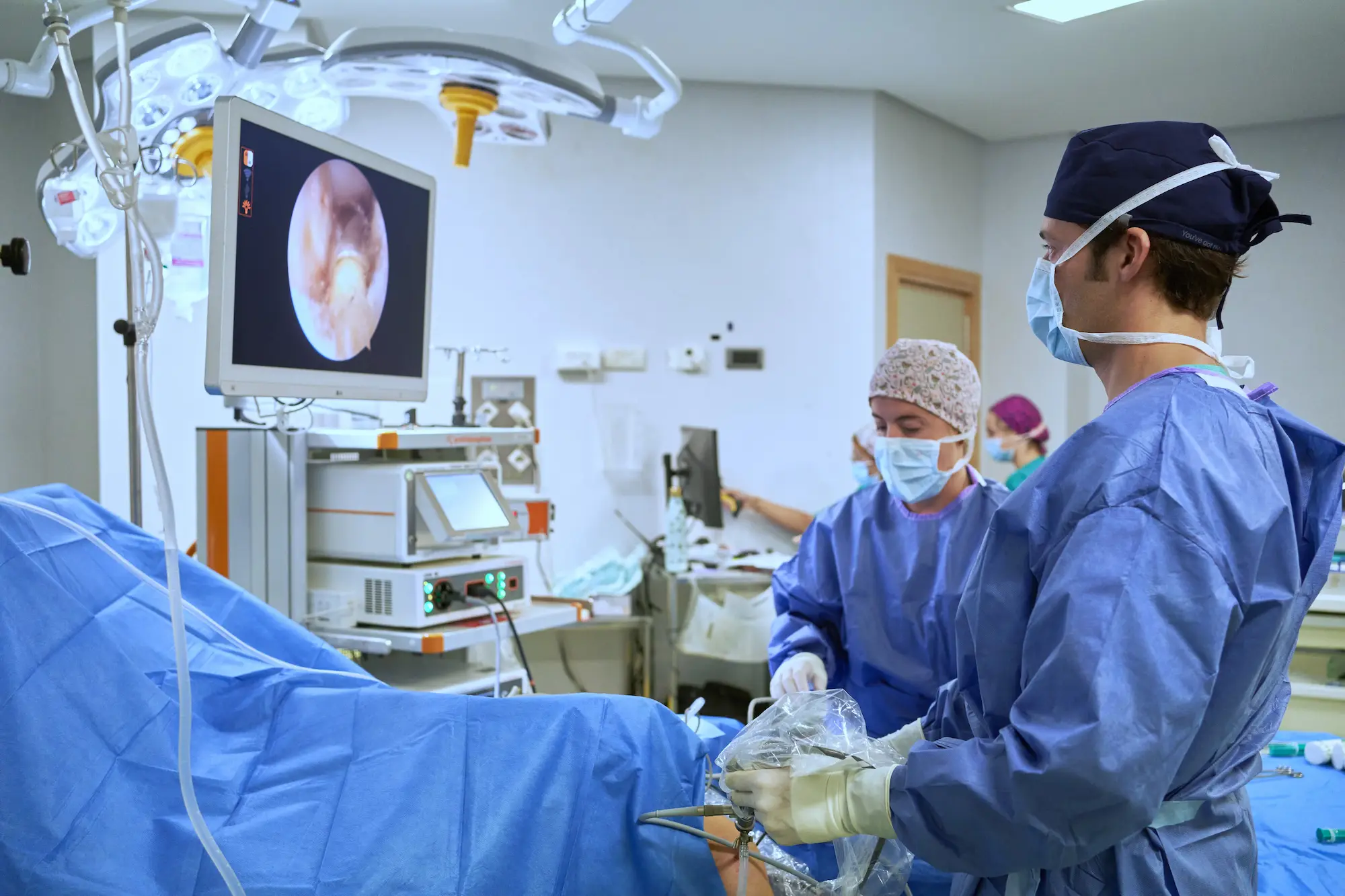
Arthroscopic ACL reconstruction offers a robust solution for restoring knee stability and preventing osteoarthritis. The procedure involves using a tendon graft—either your own (autograft) or a donor’s (allograft)—to replace the damaged ACL.
Preparation is key; physiotherapy sessions over several weeks help reduce knee swelling and strengthen leg muscles, setting the stage for optimal post-surgery outcomes. On the day of the surgery, your surgeon will make 2-3 small incisions for the arthroscope and surgical tools.
Inside the knee, the surgeon assesses damage and repairs any injured menisci or cartilage. Bone tunnels are drilled in the tibia and femur to secure the ACL graft with screws. As you heal, these tunnels fill in, anchoring the new ligament.
Post-op, your incisions are stitched and dressed, and you’re moved to the recovery room to wake from anaesthesia. Our focus is not just on alleviating pain but on providing comprehensive care, empowering you to return to an active lifestyle.
What´s included
Online Meeting: Before your surgeon consultation, you’ll meet with our Patient Experience Manager to address question and to request your medical history, needed to ensure that both the surgeon and their team can thoroughly assess your case.
Online Consultation: After a thorough review of your case, you’ll discuss surgical options, benefits, and risks during your initial consultation with your surgeon. Upon mutual agreement on the treatment, our Patient Experience Manager will outline contracts and payment details.
Preoperative Preparation: Surgeon’s team will guide you through preoperative steps, including educational courses, tailored physiotherapy exercises, follow-up meetings and advice on preparing your home environment for post-surgery recovery.
Surgical Procedure: You’ll complete pre-admission tests before your arthroscopy. Once cleared, you’ll have the surgery and briefly recover in the Post-Anaesthesia Care Unit. The minimally invasive nature of the procedure allows for quick evaluations, enabling you to go home the same or next day.
Rehab and Follow-Up: Post-discharge, you’ll attend scheduled rehab appointments and a follow-up visit for stitch removal. Online sessions with the surgeon and physiotherapist will be available to ensure smooth ongoing recovery.

Dr. Fernando Corbí
Why Choose Us
FAQ's
Can you walk with a torn ACL?
While it is technically possible to walk with a torn ACL, it can be highly unstable and painful. The ACL provides crucial stability to the knee, and without it, there’s a risk of further injury to the knee joint, especially during physical activities.
What happens when you tear your ACL?
A torn ACL often results in immediate and severe pain, accompanied by swelling and an inability to bear weight on the affected leg. It could also cause your knee to feel unstable. Prolonged untreated ACL tears could lead to chronic knee instability and early onset arthritis.
What does a torn ACL feel like?
A torn ACL often presents with a popping sensation in the knee, followed by severe pain, swelling, and instability when trying to bear weight on the affected leg. Over time, it could lead to persistent discomfort and limited range of motion.
Can you tear your ACL without knowing?
While most ACL tears are accompanied by a loud pop, severe pain, and swelling, in rare cases the symptoms may be less noticeable, potentially leading to a delayed or missed diagnosis. If you have persistent knee pain or instability, it’s crucial to consult a healthcare provider.
How long does an ACL tear take to heal?
Non-surgical recovery of a partially torn ACL can take several months, while a full tear usually requires surgery followed by a recovery period ranging from six to nine months. This timeline can be influenced by various factors, including the patient’s overall health and commitment to physical therapy.
How long does ACL surgery take?
ACL reconstruction surgery typically takes one to two hours, but this can vary depending on the complexity of the procedure and the patient’s specific condition. Note, this does not include preparation and recovery time.
What is a reconstructed ACL?
A reconstructed ACL refers to a surgically repaired ACL, often using a graft taken from your own body (autograft) or from a donor (allograft). The procedure helps restore the stability and function of the knee.
How to prevent ACL tears?
To prevent ACL tears, incorporate balance and strength exercises, particularly for your leg muscles, into your routine. Regularly practicing sports-specific drills can also enhance your agility and reaction times. Don’t forget the importance of proper footwear and the use of protective equipment in high-risk sports.
How painful is an ACL tear?
An ACL tear typically causes intense pain immediately following the injury. Over time, the pain may subside but can flare up during activities that stress the knee. Post-surgical pain varies but can be managed with proper pain relief strategies.
How to prepare for an ACL reconstruction surgery?
Preparing for ACL surgery involves prehabilitation exercises to strengthen your knee, conducting routine health checks and adjusting medications as per your doctor’s advice. It’s also important to create a conducive home environment for post-surgery recovery. Make sure to follow your surgeon’s specific preoperative instructions for the best outcome.