Regain your mobility with Direct Anterior approach.
Hip Replacement
If you’re struggling with severe hip pain from conditions like osteoarthritis or rheumatoid arthritis, our Direct Anterior Approach could be your answer. Through a small front incision, leading to quicker recovery, this advanced surgery replaces damaged joints with high-quality artificial components.
7.000 €
6.100
8.300
Customer Satisfaction Guarantee

X-rays and blood tests.

Direct Anterior Approach.

Zimmer-Biomet G7 Acetabular and Taperloc System.

About 1 to 2 hours.

From 3 to 6 weeks

From 6 to 12 months.
Surgery approach
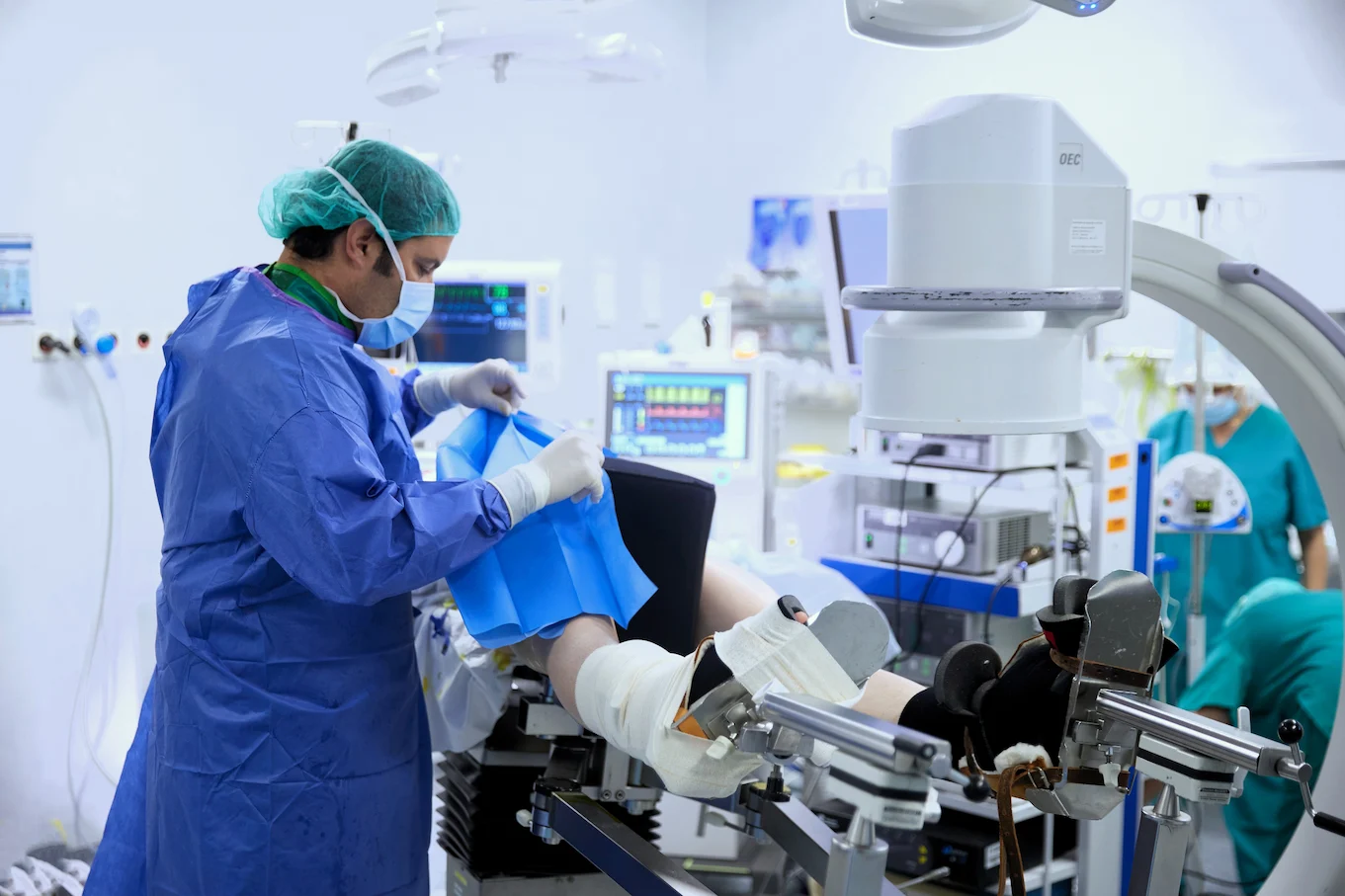
Total hip replacement, known as hip arthroplasty, is a game-changer for those suffering from osteoarthritis or hip fractures. Using the Direct Anterior Approach, we focus on minimising muscle trauma and accelerating recovery. The initial step involves a 10-15 cm incision, setting the stage for the removal of the damaged femoral head and the placement of a high-quality artificial component.
This component is crafted from robust materials like cobalt-chrome and polyethylene. A titanium stem is then inserted into your femur, holding a ceramic sphere that becomes your new femoral head. This meticulous process ensures optimal joint movement and a quicker return to normal activities.
Post-surgery, damaged tissues are repaired, and excess fluid is drained. You’ll be transferred to a recovery room, waking up from anaesthesia in a controlled setting.
Our mission goes beyond just alleviating pain; we’re committed to top-notch orthopaedic care, empowering you to return to an active lifestyle.
What´s included
Online Meeting: Before your surgeon consultation, you’ll meet with our Patient Experience Manager to address questions and to request your medical history, needed to ensure that both the surgeon and their team can thoroughly assess your case.
Online Consultation: After a thorough review of your case, you’ll discuss surgical options, benefits, and risks during your initial consultation with your surgeon. Upon mutual agreement on the treatment, our Patient Experience Manager will outline contracts and payment details.
Preoperative Preparation: Surgeon’s team will guide you through preoperative steps, including educational courses, tailored physiotherapy exercises, follow-up meetings and advice on preparing your home environment for post-surgery recovery.
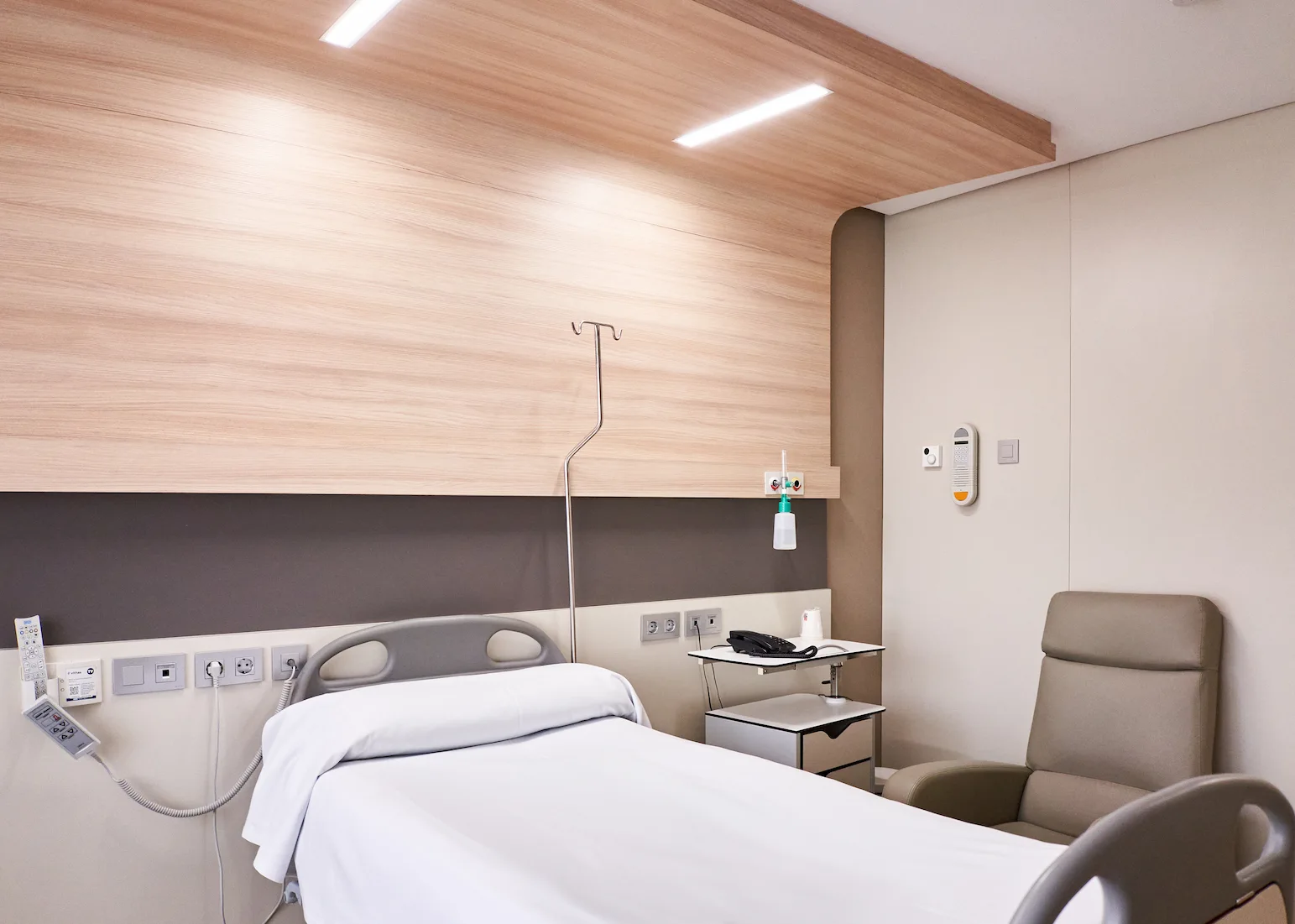
Surgical Procedure: You’ll undergo pre-admission tests to confirm readiness. Once cleared, your surgery will take place. After the procedure you’ll start your recovery in the Post-Anaesthesia Care Unit before transitioning to a private room for further evaluations and tailored therapy sessions.
Rehab and Follow-Up: Post-discharge, you’ll attend scheduled rehab appointments and a follow-up visit for stitch removal. Online sessions with the surgeon and physiotherapist will be available to ensure smooth ongoing recovery.

Dr. Fernando Corbí
Why Choose Us
FAQ's
How long does a hip replacement last?
A hip replacement typically lasts between 15 and 20 years. Factors like your activity level, weight, and overall health can influence the longevity of the implant. Regular check-ups and a healthy lifestyle can help extend the life of your hip replacement.
How long to recover from hip replacement?
Recovery times from hip replacement can vary, but generally, you may be able to resume normal activities within 6 to 12 weeks post-surgery. Keep in mind that each individual’s recovery journey is unique and influenced by their overall health and commitment to the rehabilitation process.
What I wish I knew before hip replacement surgery?
Before undergoing hip replacement surgery, it’s vital to understand that successful recovery requires active participation in physiotherapy. Home adjustments, such as installing grab bars in bathrooms, may be needed to facilitate mobility during recovery.
When is it too late to get a hip replacement?
There’s no definitive cut-off age for hip replacement. The decision is more about your overall health and the extent to which hip pain or mobility issues affect your quality of life.
How to minimise pain while waiting for hip replacement?
Staying active, following a physiotherapy regimen, using assistive devices like canes, and taking prescribed pain medications can help manage pain before surgery. However, it’s crucial to consult with your healthcare provider before starting any new regimen.
How do you know if you need a hip replacement?
If persistent hip pain interferes with your daily activities or rest, and isn’t relieved by medication, or if you experience stiffness in the hip limiting your movement, it might be time to consider a hip replacement. Always consult with your healthcare provider for a personalised evaluation.
How painful is a hip replacement?
Pain after hip replacement varies by individual. However, with effective pain management strategies and medication, post-operative pain should diminish over time, and you’ll likely experience significant relief from your pre-operative pain levels.
What are hip replacements made of?
Hip replacements typically involve a combination of robust materials to mimic the function of your natural hip. The prosthesis is commonly composed of three main parts: a ball made of highly polished strong metal or ceramic, a socket lined with durable plastic (polyethylene) or ceramic, and a stem made of durable metal, often titanium or cobalt-chromium alloy.
What happens during hip replacement surgery?
During hip replacement surgery, your surgeon meticulously removes the damaged sections of your hip joint and replaces them with high-quality artificial components. This process typically involves replacing the femoral head and the acetabular socket.
Can I lead an active lifestyle after a hip replacement?
Absolutely. One of the primary goals of hip replacement surgery is to enable you to return to an active lifestyle. While high-impact activities may be restricted, you can expect to resume activities like walking, cycling, swimming, and golfing.