Expert Solutions for Advanced Hip Conditions.
Revision Hip Replacement
Complications from an earlier hip implant can be distressing. Our specialised revision hip replacement offers a tailored solution with state-of-the-art implants to replace pre-existing artificial hip joint, easing arthritis pain, and restoring your mobility for a more active lifestyle.
14.000 €
12.100
16.600
Customer Satisfaction Guarantee

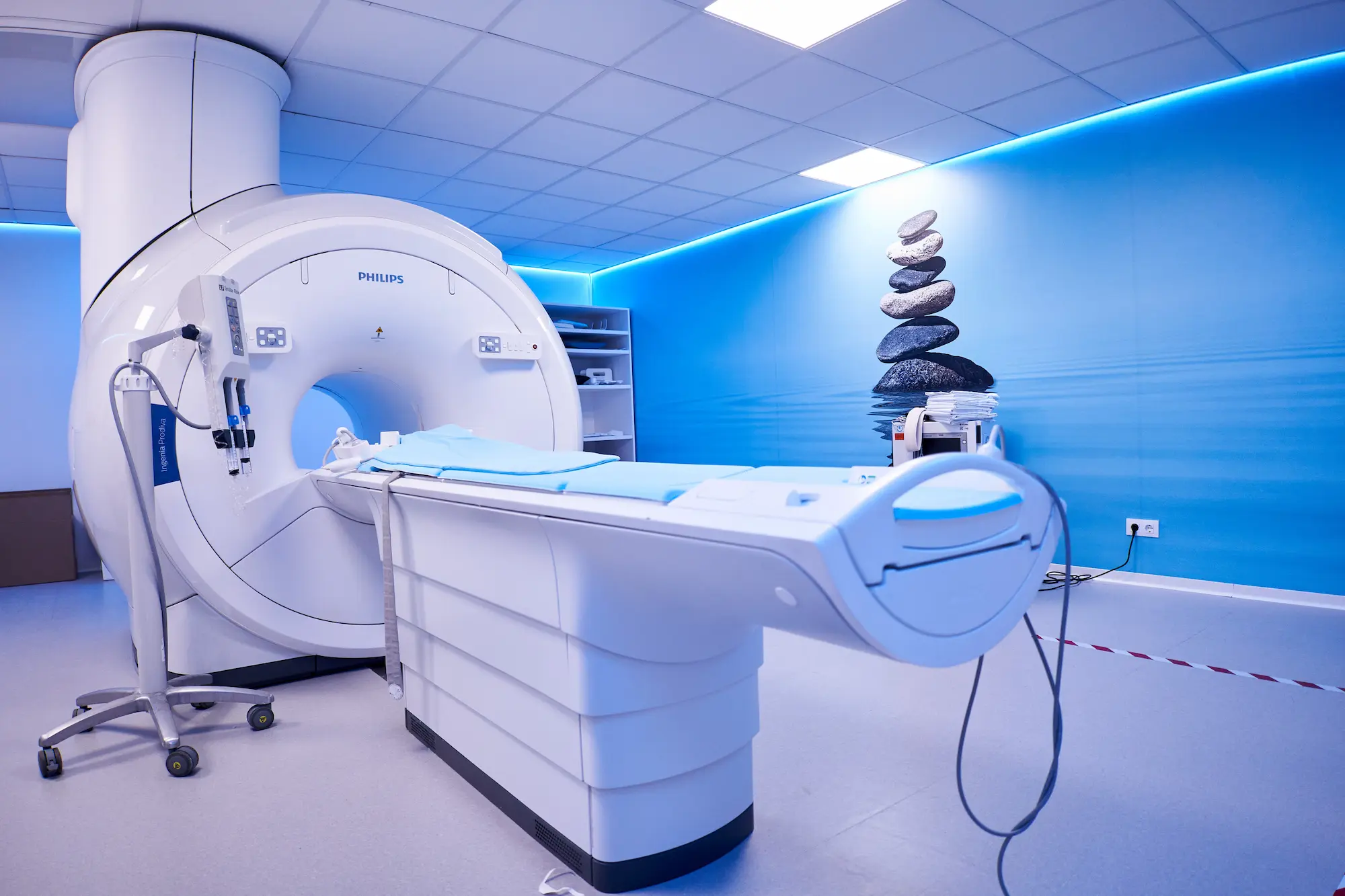
General Analytics, X-ray and CT scan.

Revision Hip Arthroplasty.

Zimmer-Biomet femoral, acetabular and auxiliary options.

About 2 to 3 hours.

From 3 to 6 weeks.

From 6 to 12 months.
Surgery approach
Revision Hip Replacement offers a targeted solution for those dealing with complications from a previous hip implant. This advanced procedure replaces part or all the existing artificial hip, effectively alleviating severe arthritis pain and enhancing your daily mobility.
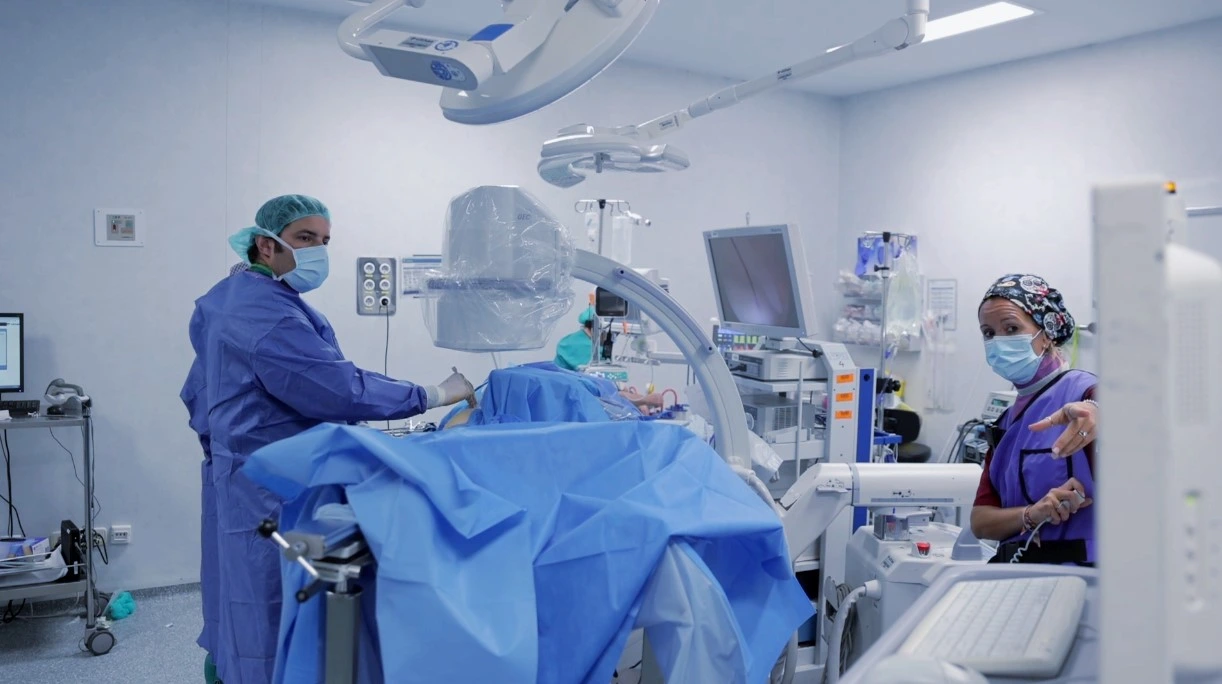
The procedure starts with an incision to expose the hip joint, followed by the dislocation of the femur from the acetabulum. This allows for the removal of the old plastic liner and metal socket.
Next, the acetabulum is prepared using additional bone and wire mesh creating a secure socket for the new metal shell. A liner, available in plastic, ceramic, or metal, is then placed inside. The femur is segmented at the top to facilitate the removal of the old implant, and a new femoral implant is securely inserted.
After the operation, damaged tissues are repaired, and any excess fluid is drained. You’ll be moved to a recovery room, waking up from anaesthesia in a controlled environment. Our mission extends beyond pain relief; we aim to empower your return to an active lifestyle.
What´s included
Online Meeting: Before your surgeon consultation, you’ll meet with our Patient Experience Manager to address question and to request your medical history, needed to ensure that both the surgeon and their team can thoroughly assess your case.
Online Consultation: After a thorough review of your case, you’ll discuss surgical options, benefits, and risks during your initial consultation with your surgeon. Upon mutual agreement on the treatment, our Patient Experience Manager will outline contracts and payment details.
Preoperative Preparation: Surgeon’s team will guide you through preoperative steps, including educational courses, tailored physiotherapy exercises, follow-up meetings and advice on preparing your home environment for post-surgery recovery.
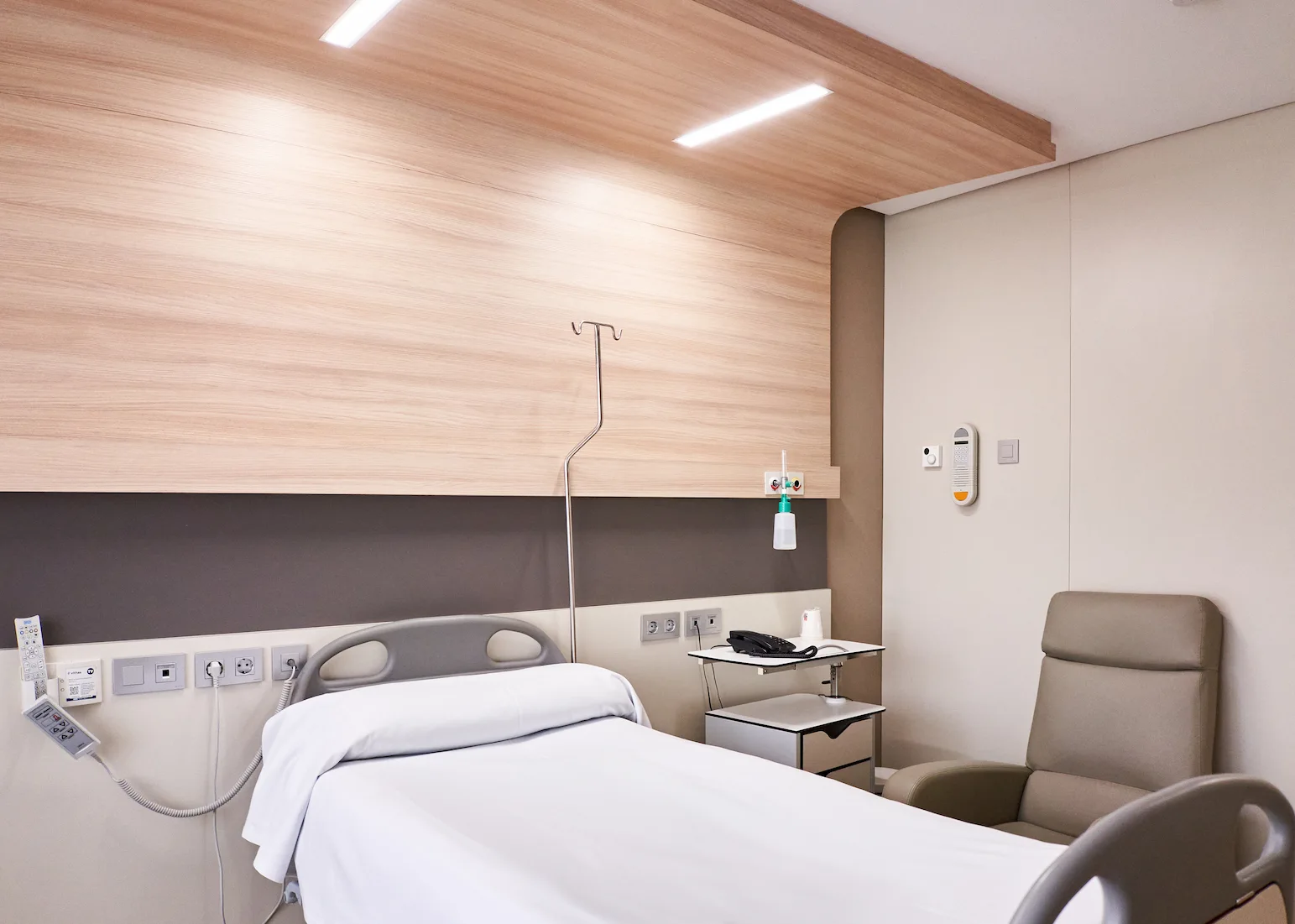
Surgical Procedure: You’ll undergo pre-admission tests to confirm readiness. Once cleared, your surgery will take place. After the procedure you’ll start your recovery in the Post-Anaesthesia Care Unit before transitioning to a private room for further evaluations and tailored therapy sessions.
Rehab and Follow-Up: Post-discharge, you’ll attend scheduled rehab appointments and a follow-up visit for stitch removal. Online sessions with the surgeon and physiotherapist will be available to ensure smooth ongoing recovery.

Dr. Fernando Corbí
Why Choose Us
FAQ's
How long does it take to recover from a revision hip replacement?
The recovery timeline for a revision hip replacement can be quite variable and largely depends on the individual’s overall health status and the extent of the surgery. Generally, full recovery may take anywhere between three months to a year. It’s vital to note that rehabilitation, including physiotherapy, plays a significant role in a successful recovery. It’s crucial to follow your healthcare provider’s advice about home exercises and follow-up appointments.
What is the most common reason for revision of total hip replacement?
There are several reasons, but the most prevalent one being the natural wear and tear of the artificial joint over time. Other factors could include instability in the hip joint, persistent pain, infection, or a fracture around the components of the hip implant. Each case is unique, and your surgeon will guide you through the best treatment options.
What is the success rate of hip replacement revision?
The success rate for hip revision surgery remains generally high. Many patients experience a significant improvement in their mobility and a reduction in pain. Nevertheless, outcomes can vary depending on various factors, including the reason for revision, the patient’s overall health, and the surgeon’s expertise.
What happens when a hip revision fails?
The patient may experience persistent pain, reduced mobility, and possibly dislocation. Treatment options will depend on the cause of the failure, which could range from conservative measures like physiotherapy and medications, to another revision surgery in some cases.
How many hours does a hip revision take?
The duration of a hip revision surgery varies considerably depending on the complexity of the case, the patient’s health status, and whether there are any unforeseen circumstances during the procedure. Typically, a hip revision surgery can take between two to four hours.
How many hip revisions are possible?
There isn’t a strict limit on the number of hip revisions one can have. However, each subsequent revision surgery becomes more complex and might not yield the same level of improvement as the previous ones. It’s a decision that requires a careful evaluation of the risks and benefits by both the patient and the surgeon.
Is hip revision surgery risky?
Hip revision surgery, like any major surgical procedure, carries its set of risks. These could include infection, blood clots, complications related to anaesthesia, and damage to nerves or blood vessels. Despite these, it’s generally considered a safe and effective operation, especially when performed by an experienced orthopaedic surgeon.
How long is the hospital stay for hip revision?
The hospital stay following a hip revision surgery usually ranges between three to seven days. However, this can vary depending on individual recovery rates and any potential postoperative complications. It’s essential to arrange for help at home upon discharge, as you will continue to recover and rehabilitate there.
How long does pain last after a hip revision?
Pain following a hip revision surgery tends to gradually diminish over the first few weeks. Nonetheless, it’s not uncommon to experience some degree of discomfort for a few months post-surgery as your body continues to heal. Your healthcare team will provide effective pain management strategies to keep you comfortable during this period.
What hurts the most after hip replacement surgery?
Patients often report the most pain in the incision area and the surrounding muscles. This discomfort is usually most noticeable in the first day’s post-surgery when you’re beginning to move and walk. Pain intensity can vary from person to person, but it generally subsides significantly over the first few weeks.