Minimally Invasive Treatments to Restore Mobility.
Femoroacetabular Impingement (FAI)
Femoroacetabular impingement, caused by abnormal contact between the hip bone and socket, can severely impact your mobility and comfort. Our arthroscopic procedure, designed to correct structural issues causing the impingement, reduces further damage to the labrum and articular cartilage and restores your hip’s natural motion.
3.500 €
3.100
4.200
Customer Satisfaction Guarantee

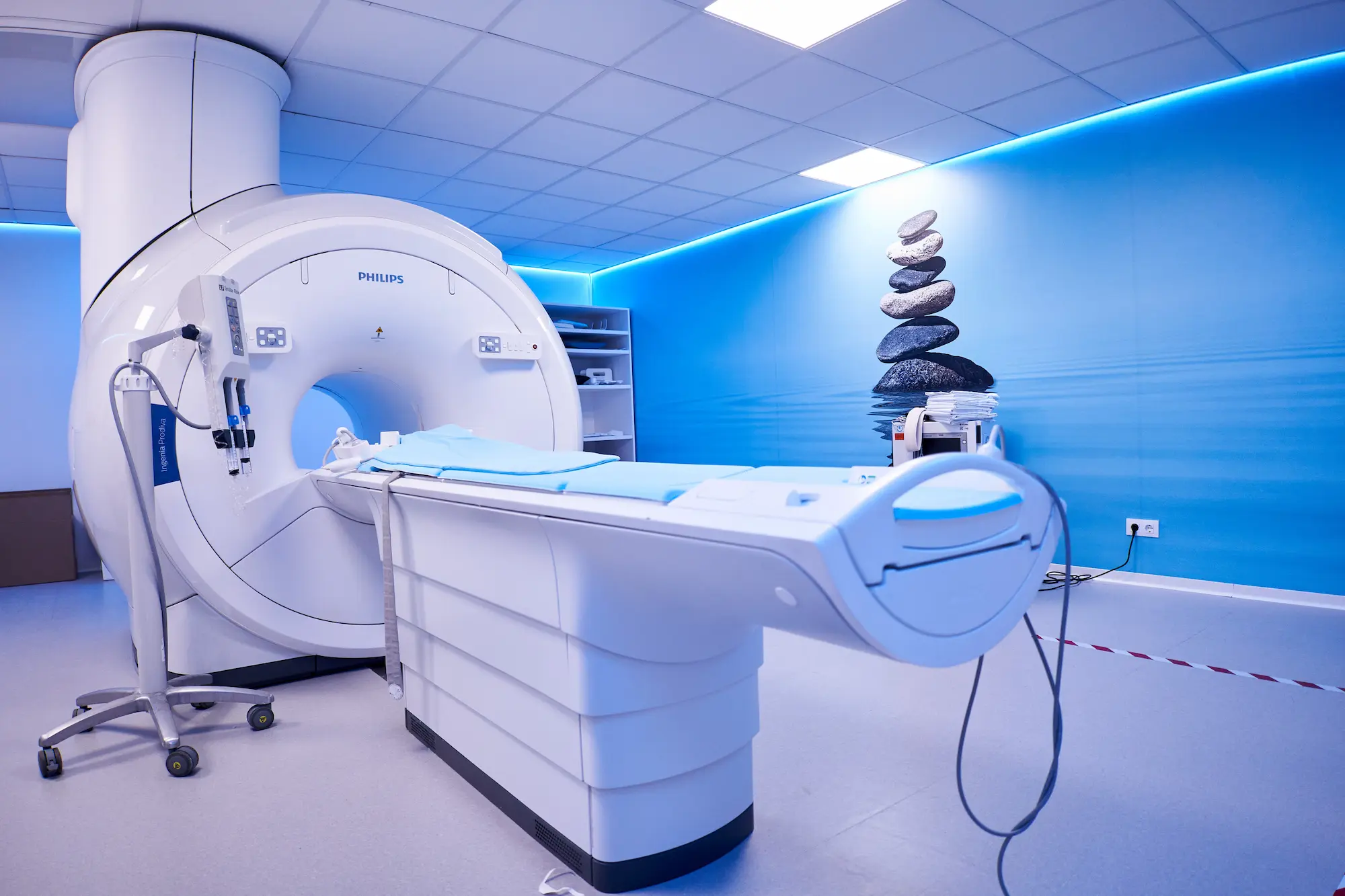
X-rays, MRI scans, or CT scans.

Arthroscopy (minimally invasive).

Arthrex suture points or labrum anchors.

About 2 to 3 hours.

From 3 to 6 weeks.

From 6 to 12 months.
Surgery approach
Arthroscopy for Femoroacetabular Impingement (FAI) offers a specialized solution for those suffering from joint pain and limited mobility. Utilizing cutting-edge techniques, we focus on reshaping the bone structures causing the impingement and repairing the damaged labrum and articular cartilage.
Two primary types of impingements, CAM and PINCER, are addressed. CAM involves excessive bone growth in the femoral area, leading to labral injury, while PINCER is characterized by an overgrowth of the acetabular edge, causing labral tears and potential cartilage injuries.
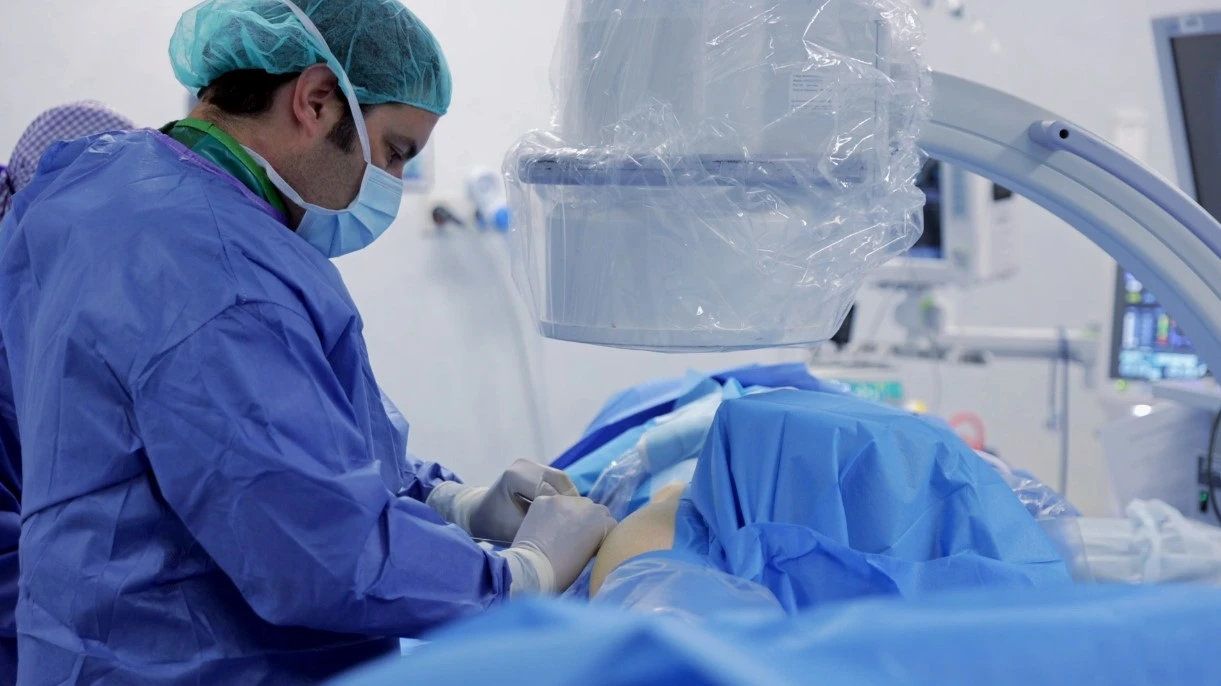
The procedure starts with 2-3 small incisions, known as portals, for minimal invasion. Through these portals, the arthroscope assesses the joint, enabling precise repair. Damaged cartilage and hip labrum are reattached using ‘labrum anchors,’ and any bone anomalies are carefully smoothed out.
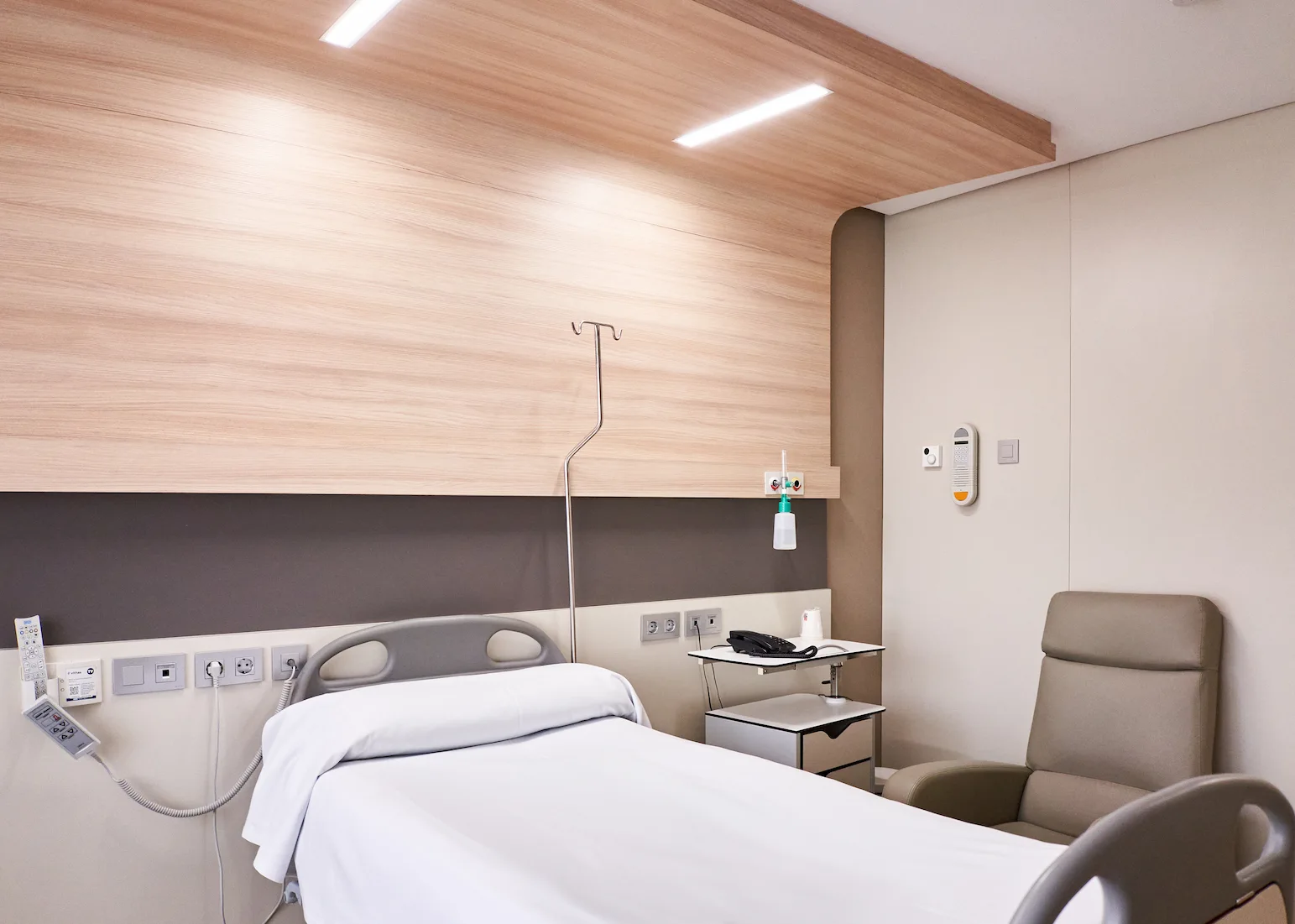
Following the procedure, incisions are expertly stitched and dressed. You’ll be transferred to a recovery room, waking up from anaesthesia in a controlled setting. Our mission extends beyond mere pain relief; we aim to provide top-tier orthopaedic care, empowering you to return to an active lifestyle.
What´s included
Online Meeting: Before your surgeon consultation, you’ll meet with our Patient Experience Manager to address question and to request your medical history, needed to ensure that both the surgeon and their team can thoroughly assess your case.
Online Consultation: After a thorough review of your case, you’ll discuss surgical options, benefits, and risks during your initial consultation with your surgeon. Upon mutual agreement on the treatment, our Patient Experience Manager will outline contracts and payment details.
Preoperative Preparation: Surgeon’s team will guide you through preoperative steps, including educational courses, tailored physiotherapy exercises, follow-up meetings and advice on preparing your home environment for post-surgery recovery.
Surgical Procedure: You’ll complete pre-admission tests before your arthroscopy. Once cleared, you’ll have the surgery and briefly recover in the Post-Anaesthesia Care Unit. The minimally invasive nature of the procedure allows for quick evaluations, enabling you to go home the same or next day.
Rehab and Follow-Up: Post-discharge, you’ll attend scheduled rehab appointments and a follow-up visit for stitch removal. Online sessions with the surgeon and physiotherapist will be available to ensure smooth ongoing recovery.

Dr. Fernando Corbí
Why Choose Us
FAQ's
What is Femoroacetabular Impingement?
Femoroacetabular impingement (FAI) is a condition in which abnormal shape or structural issues in the hip joint lead to friction during movement. Over time, this can cause damage to the joint, resulting in pain and limited activity, potentially leading to conditions such as osteoarthritis.
What causes Femoroacetabular Impingement?
The primary cause of FAI is an irregularity in the hip joint’s bones, which can be present from birth or occur during childhood. These irregularities, often aggravated by sports or activities involving repeated hip motion, result in an abnormal contact causing FAI.
What are the symptoms of Femoroacetabular Impingement?
Symptoms of FAI often include pain and stiffness in the groin or hip area. This discomfort, frequently experienced during or after physical activities or prolonged sitting, can be accompanied by a decreased range of hip motion and occasional ‘locking’ of the joint.
How is Femoroacetabular Impingement diagnosed?
Diagnosis of FAI involves a combination of patient history, physical examination, and medical imaging. In-depth imaging tests like X-rays, MRI scans, or CT scans can reveal structural abnormalities, cartilage damage, or labral tears, providing a comprehensive diagnosis.
How is Femoroacetabular Impingement treated?
Treatment for FAI aims to manage pain, enhance function, and prevent further damage. Initial approaches usually involve rest, physical therapy, and medication. If the impingement is severe, surgical intervention, typically involving arthroscopic surgery, may be necessary.
What are the risk factors for Hip Impingement?
Risk factors for developing hip impingement include being male, participating in sports or activities that put repetitive stress on the hip, and having certain hip conditions in childhood. Also, genetic factors can play a role, as those with family members who have FAI may be at a higher risk.
What are the complications associated with Femoroacetabular Impingement (FAI)?
If left untreated, hip impingement can lead to progressive damage to the hip joint, including cartilage damage and labral tears, which may evolve into osteoarthritis. This could potentially result in chronic pain, reduced mobility, and a decreased quality of life. In some severe cases, a total hip replacement may be required.
How can you prevent Femoroacetabular Impingement (FAI)?
Preventing FAI can be challenging since many of the causes are related to bone structure from birth or developed during childhood. However, maintaining a healthy weight, staying active, and regular strength and flexibility exercises for the hip can support overall hip health and may potentially reduce the risk.
How long does it take for a Hip Impingement to heal?
The healing time for hip impingement varies greatly depending on the severity of the condition and the treatment method used. With conservative treatments, patients may start seeing improvements within several weeks to months. However, if surgery is required, the complete recovery process can take anywhere from three to six months or more.
Can you recover from FAI without surgery?
Yes, it’s possible to recover from FAI without surgery, especially if the condition is caught early and it’s not severe. Non-surgical treatments can include lifestyle modifications, physical therapy, pain management through medication, and minimally invasive procedures such as injections.