An Advanced Approach to Knee Health.
Revision Knee Replacement
Experiencing persistent discomfort from a previous knee prosthesis? Our Revision Knee Replacement surgery is designed to tackle issues like persistent pain, instability, and loosened implants. We aim to relieve your discomfort, restore mobility, and expedite your return to an active lifestyle.
14.000 €
12.100
16.600
Customer Satisfaction Guarantee

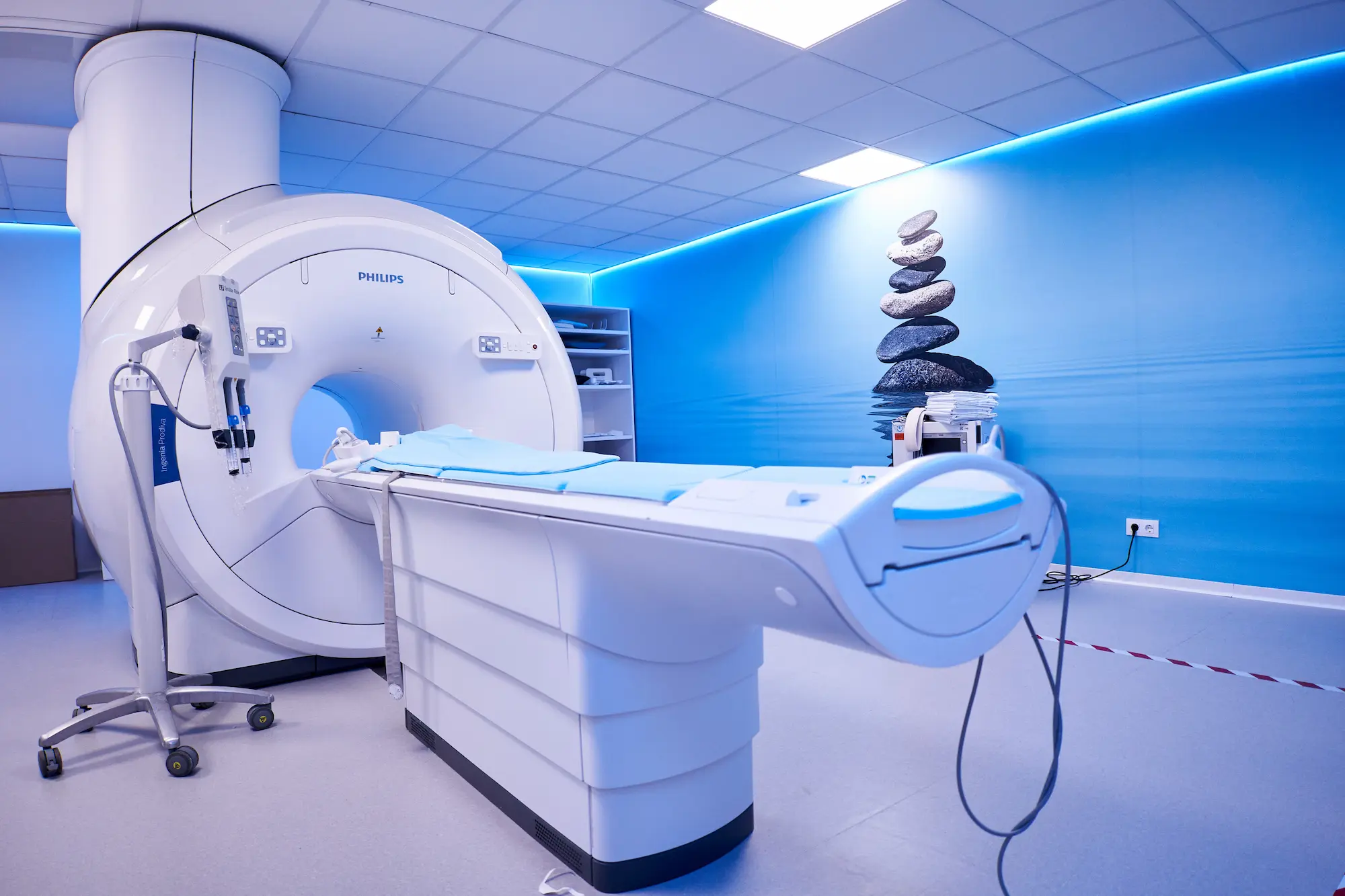
General Analytics, X-ray and CT scan.

Revision Knee Arthroplasty.

Zimmer-Biomet fixation, constraint, soft tissue and boney defect solutions.

About 2 to 3 hours.

From 3 to 6 weeks.

From 6 to 12 months.
Surgery approach
Revision Knee Replacement is a specialized procedure for those facing issues with a prior knee prosthesis. This surgery replaces part or all of the previous artificial knee, addressing severe discomfort and instability that may limit daily activities.
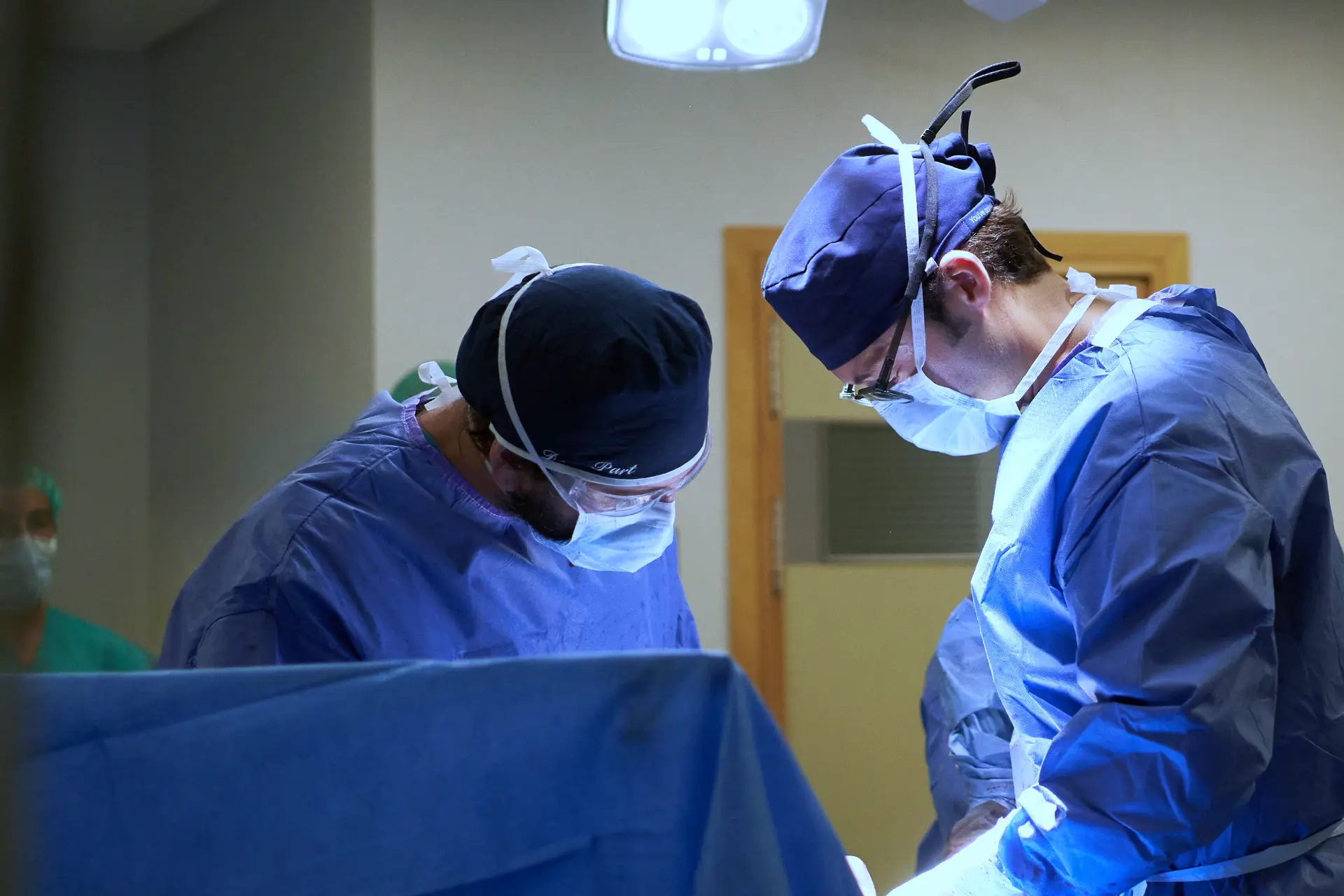
Under spinal anaesthesia for your comfort, an incision is made over the knee to expose the joint. The old femoral and tibial components are removed, and damaged bone may be cut away. Bone grafts or metal wedges are used to prepare the femur and tibia for the new components.
New tibial and femoral components are securely fastened using bone cement. A new plastic liner is placed on the tibial component, and if needed, the kneecap is resurfaced with a patellar implant.
These components form the new knee joint, and surgical drains are inserted to remove excess blood.Our focus goes beyond pain relief; we aim for the highest standard of orthopaedic care. We’re committed to helping you regain strength and return to an active lifestyle, making us your trusted partner in this crucial health journey.
What´s included
Online Meeting: Before your surgeon consultation, you’ll meet with our Patient Experience Manager to address question and to request your medical history, needed to ensure that both the surgeon and their team can thoroughly assess your case.
Online Consultation: After a thorough review of your case, you’ll discuss surgical options, benefits, and risks during your initial consultation with your surgeon. Upon mutual agreement on the treatment, our Patient Experience Manager will outline contracts and payment details.
Preoperative Preparation: Surgeon’s team will guide you through preoperative steps, including educational courses, tailored physiotherapy exercises, follow-up meetings and advice on preparing your home environment for post-surgery recovery.
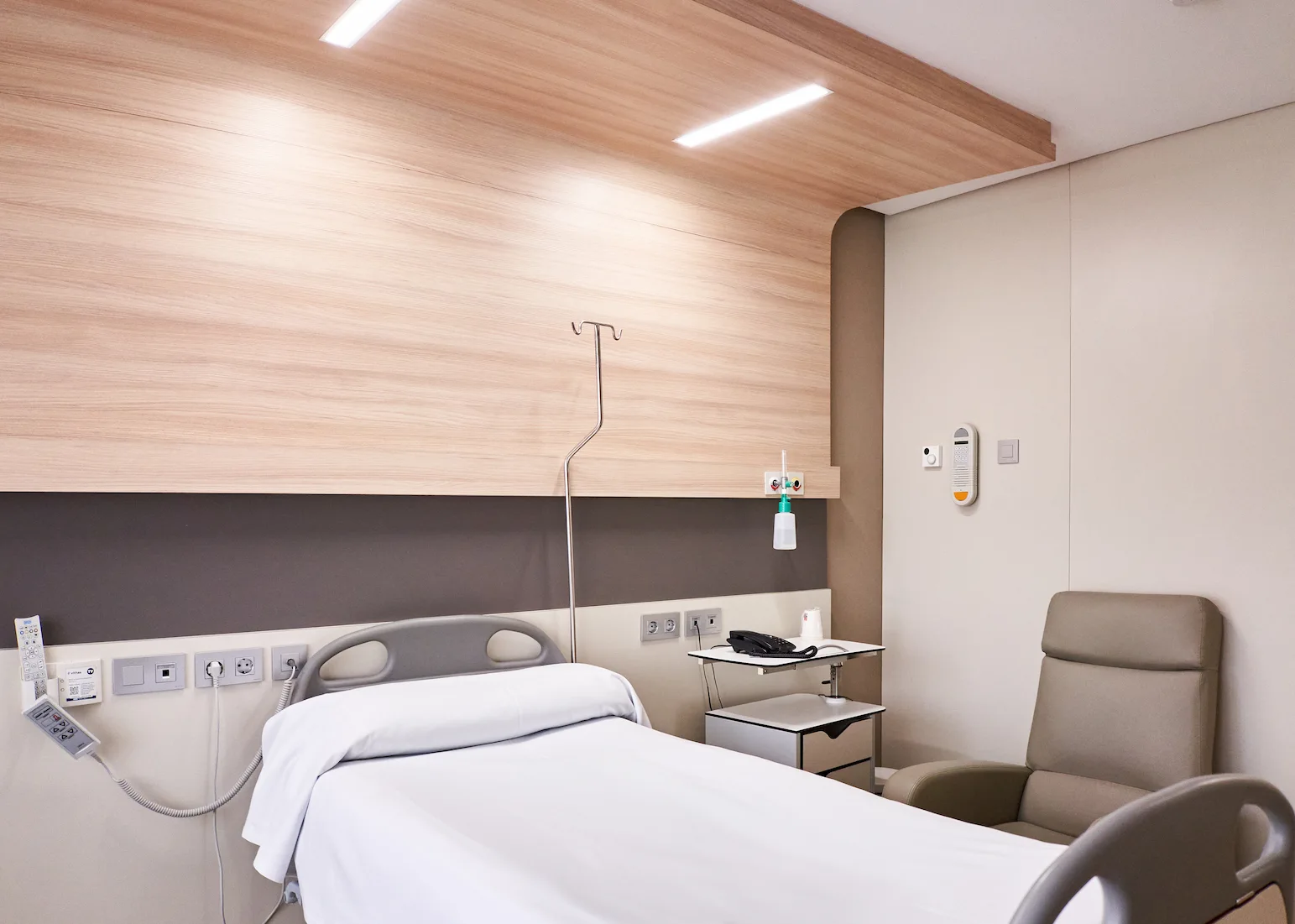
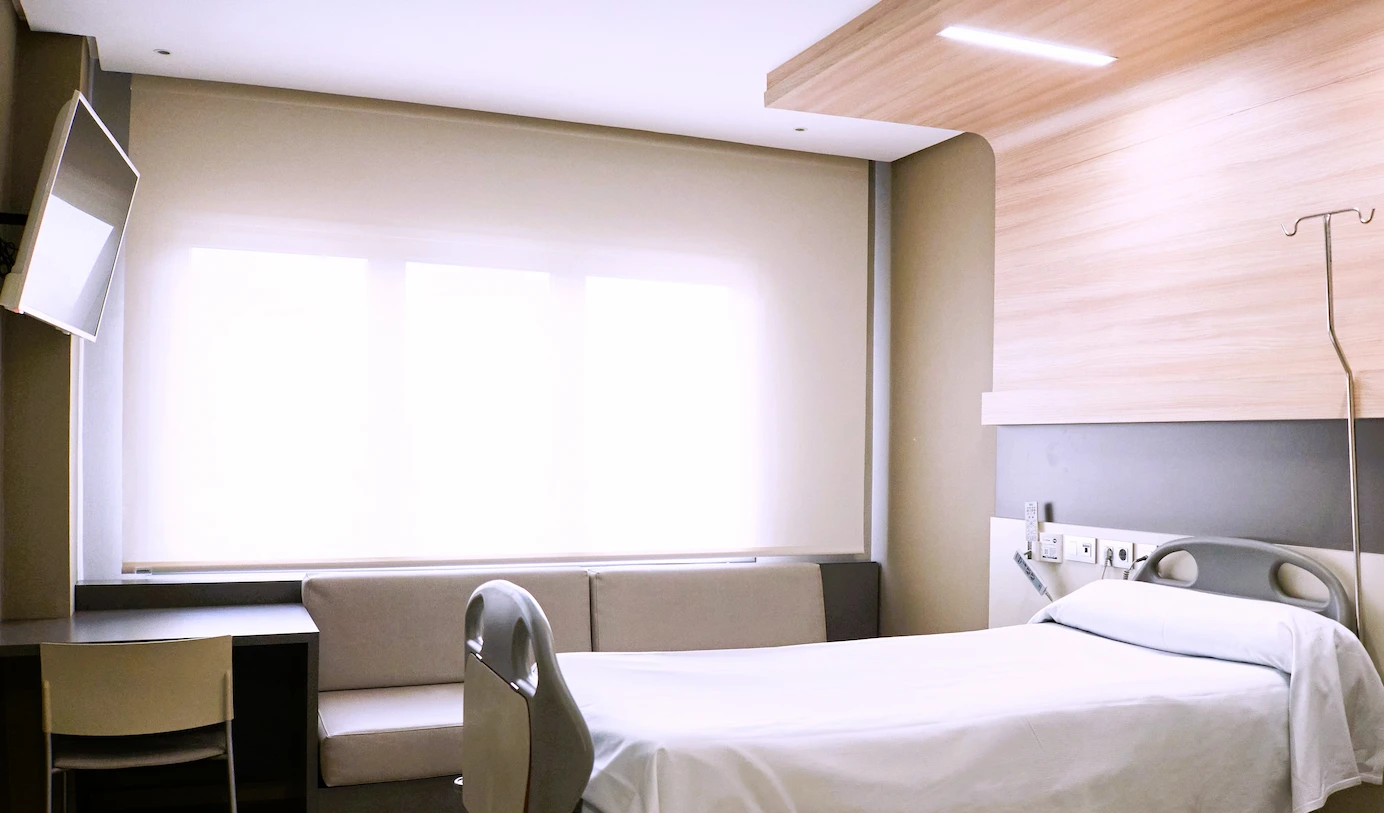
Surgical Procedure: You’ll undergo pre-admission tests to confirm readiness. Once cleared, your surgery will take place. After the procedure you’ll start your recovery in the Post-Anaesthesia Care Unit before transitioning to a private room for further evaluations and tailored therapy sessions.
Rehab and Follow-Up: Post-discharge, you’ll attend scheduled rehab appointments and a follow-up visit for stitch removal. Online sessions with the surgeon and physiotherapist will be available to ensure smooth ongoing recovery.

Dr. Fernando Corbí
Why Choose Us
FAQ's
How long does it take to recover from a revision knee replacement?
The recovery period for a revision knee replacement can vary greatly, usually between 3 to 6 months. This is longer than a primary knee replacement due to the complexity of the procedure. The individual’s age, overall health, and commitment to a physical therapy regimen can also influence recovery times. Following your surgeon’s advice and engaging in rehabilitation exercises will increase the likelihood of a successful recovery.
How common are knee replacement revisions?
Revision knee replacement surgeries are relatively less common than primary knee replacements but can occur. They typically occur in 5-10% of patients over a period of 10-15 years. The reasons can vary from normal wear and tear of the artificial joint, infection, or knee instability. However, with modern advancements in surgical techniques and prosthesis quality, the longevity of knee replacements has improved.
Can you walk after knee revision surgery?
After a knee revision surgery, patients are usually able to walk with the assistance of a walker or crutches within the first day’s post-surgery. The recovery process is carefully monitored by a team of healthcare professionals, and physical therapy starts almost immediately. With time and guided rehabilitation, patients can regain strength and gradually return to normal activities.
What is the success rate of knee revision surgery?
The success rate of knee revision surgery is generally high, with many studies showing over 80% of patients experiencing pain relief and improved function. However, it’s important to note that the success of the surgery also depends on factors like the patient’s overall health, the quality of rehabilitation, and the reason for the revision.
How long is hospital stay after knee revision surgery?
The duration of a hospital stay after knee revision surgery can vary between patients, but typically, it might be anywhere from 3 to 5 days. This duration can be influenced by factors such as the individual’s overall health status, age, and how well they progress with early post-operative mobilisation and pain management.
What is the most common reason for knee revision?
The most common reason for knee revision surgery is wear and tear of the original knee implant. Other reasons include infection, instability, and the loosening of the original prosthesis. Occasionally, a knee revision may be needed due to an injury that damages the replaced joint.
What are the dangers of revision surgery?
As with any major surgical procedure, revision knee surgery does carry some risks. These may include infection, blood clots, nerve damage, fracture, or complications from anesthesia. There’s also a risk that the revision may not fully alleviate pain or could potentially lead to reduced function in comparison to the original replacement.
How do I prepare for knee revision surgery?
Preparing for knee revision surgery involves several steps. Preoperative evaluations with your surgeon and possibly other medical specialists will be essential. It’s important to maintain a healthy lifestyle: balanced diet, regular exercise, and refrain from smoking. You may need to temporarily discontinue certain medications and prepare your home for your postoperative recovery, such as making it fall-proof and possibly arranging for help with tasks and care during your initial recovery.
What are the signs of knee replacement failure?
Signs of knee replacement failure can include persistent pain (even after ample recovery time), swelling, instability, decreased mobility, or a feeling that the knee ‘doesn’t feel right.’ If you experience any of these symptoms, it’s crucial to consult with your orthopaedic surgeon promptly for evaluation.
What not to do after knee replacement?
After knee replacement surgery, it’s essential to avoid certain activities to protect your new joint. These include high-impact sports, heavy lifting, and any movements that put excessive strain on the knee. Also, neglecting physical therapy or not taking prescribed medications can impede the recovery process. It’s also advisable not to sit or stand for long periods during the early recovery stages and maintain a healthy weight to avoid putting extra pressure on the knee.