Restoring Mobility and Activity
Meniscus Repair
Dealing with a meniscus tear? Our specialized treatment options range from surgical repair to meniscus removal, all aimed at restoring your knee function. Our personalized approach ensures you get back to an active lifestyle as quickly as possible.
3.500 €
3.100
4.200
Customer Satisfaction Guarantee

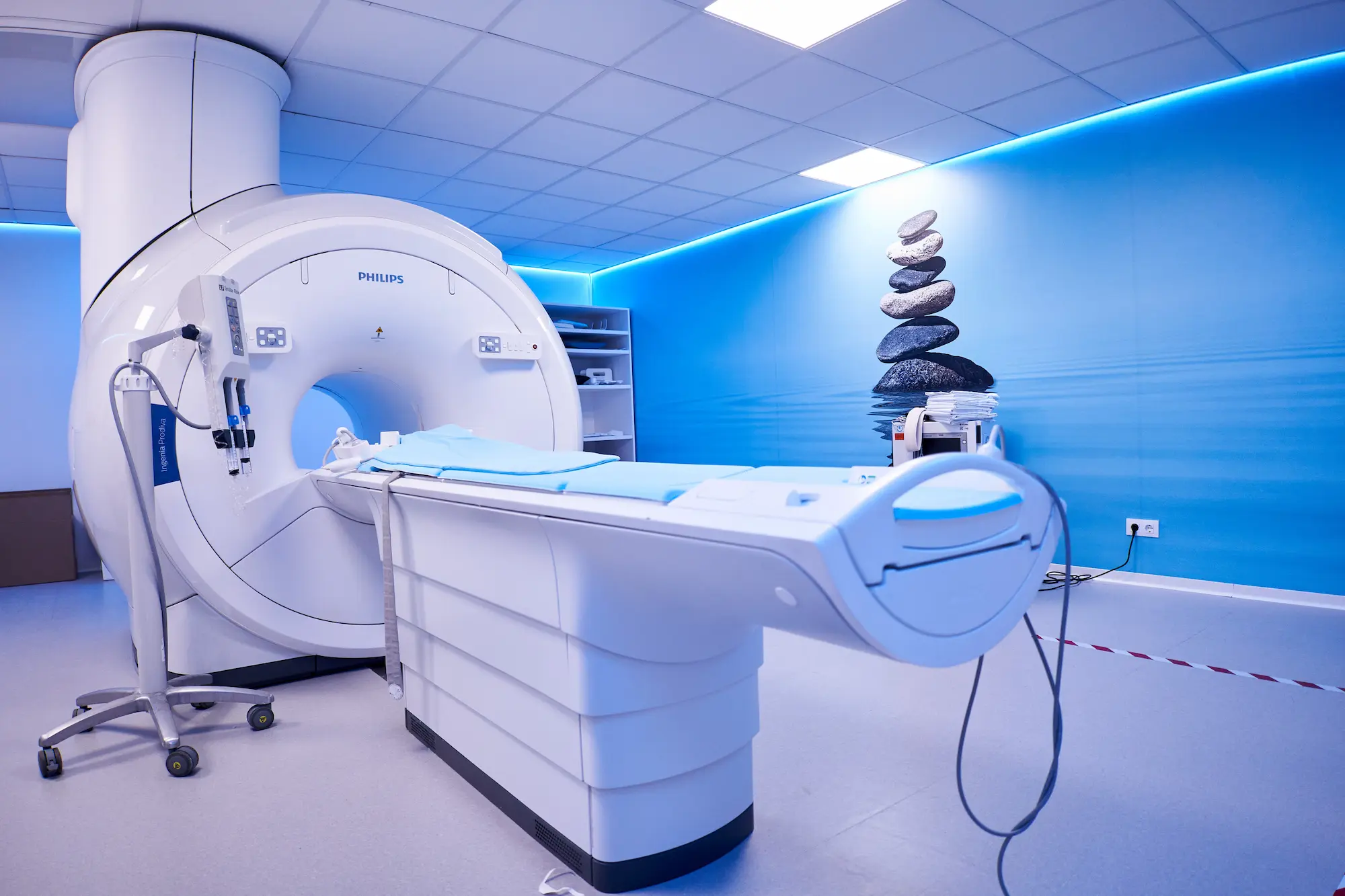
Physical examination X-rays, MRI.

Meniscal suture or partial meniscectomy.

FiberStitch™ All-Inside Meniscus Repair

About 45 to 60 minutes.

From 3 to 6 weeks.

From 3 to 6 months.
Surgery approach
Meniscus Repair Surgery aims to relieve pain and improve knee function while preventing osteoarthritis. This procedure offers two main approaches for treating meniscal tears: meniscal suture for tears near the joint capsule and partial meniscectomy for those in less vascular areas. Choosing between them depends on your age, activity level, and the location of the tear.
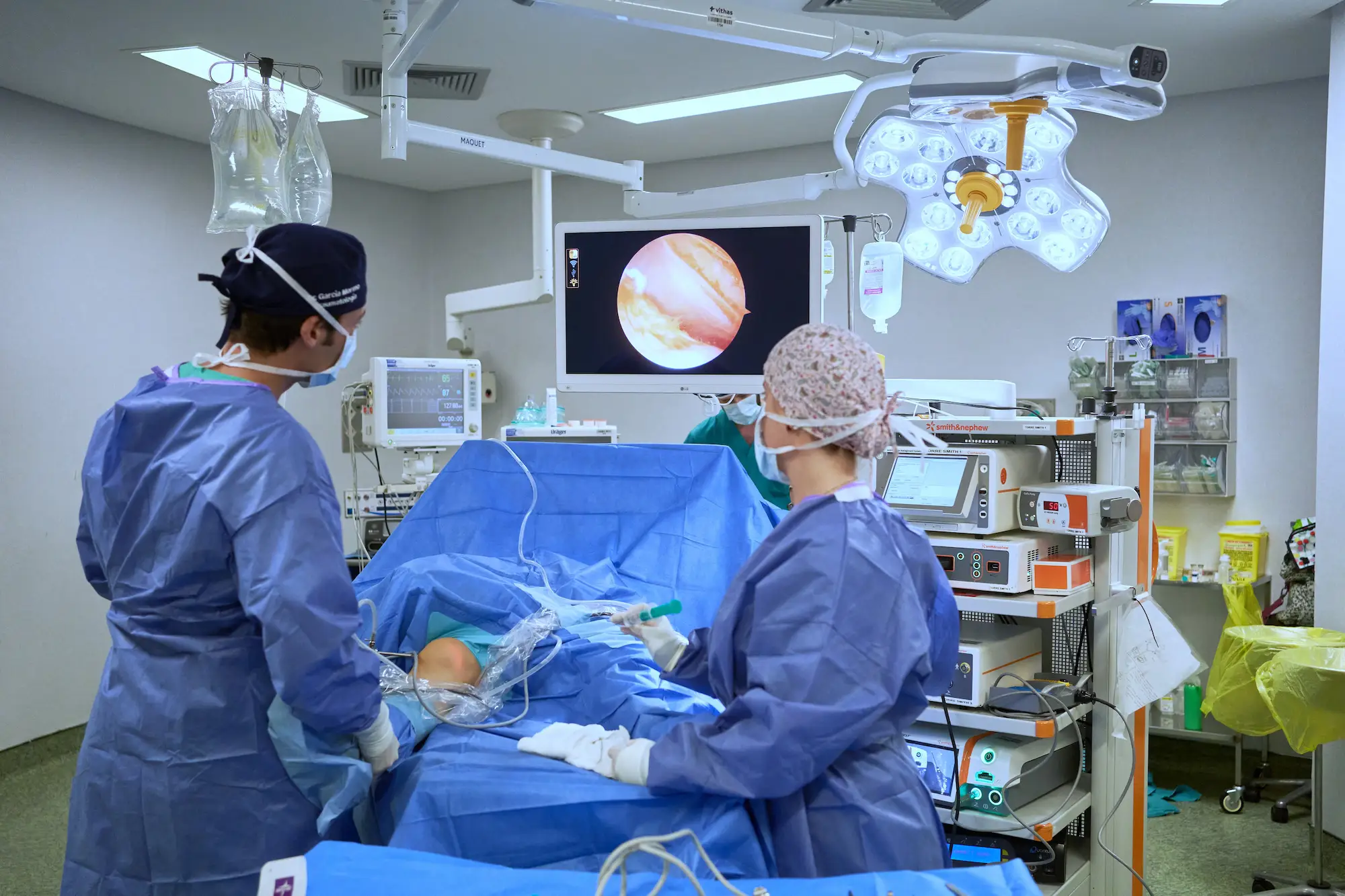
Under anaesthesia, the surgeon will make two small incisions, known as portals. The first portal allows the arthroscope to assess damage extent, while the second provides access for surgical instruments. Depending on this assessment, the surgeon will either suture the torn meniscus or removes the damaged part, always aiming to preserve as much healthy tissue as possible.
Recovery time depends on the surgical approach, while sutures require a longer healing period, meniscectomy allows for immediate weight-bearing and rapid restoration of mobility.
After the procedure, your incisions will be carefully stitched and dressed. You’ll then be moved to the recovery room to wake from anaesthesia. Our commitment goes beyond pain relief; we strive to deliver comprehensive orthopaedic care empowering your return to an active lifestyle.
What´s included
Online Meeting: Before your surgeon consultation, you’ll meet with our Patient Experience Manager to address question and to request your medical history, needed to ensure that both the surgeon and their team can thoroughly assess your case.
Online Consultation: After a thorough review of your case, you’ll discuss surgical options, benefits, and risks during your initial consultation with your surgeon. Upon mutual agreement on the treatment, our Patient Experience Manager will outline contracts and payment details.
Preoperative Preparation: Surgeon’s team will guide you through preoperative steps, including educational courses, tailored physiotherapy exercises, follow-up meetings and advice on preparing your home environment for post-surgery recovery.
Surgical Procedure: You’ll complete pre-admission tests before your arthroscopy. Once cleared, you’ll have the surgery and briefly recover in the Post-Anaesthesia Care Unit. The minimally invasive nature of the procedure allows for quick evaluations, enabling you to go home the same or next day.
Rehab and Follow-Up: Post-discharge, you’ll attend scheduled rehab appointments and a follow-up visit for stitch removal. Online sessions with the surgeon and physiotherapist will be available to ensure smooth ongoing recovery.

Dr. Fernando Corbí
Why Choose Us
FAQ's
What is the meniscus?
The meniscus is a piece of cartilage in your knee that cushions and stabilizes the joint. It protects your bones from wear and tear. Each knee has two menisci, one at the outer edge (lateral meniscus) and one at the inner edge (medial meniscus).
What does a torn meniscus feel like?
A torn meniscus often causes pain in the knee area, which may be exacerbated by walking or other physical activity. You might also experience swelling, stiffness, difficulty in moving the knee, or a catching or locking sensation. In some cases, you may also feel as if your knee is giving way or unable to support you.
What causes a meniscus tear?
Meniscus tears typically occur during activities that cause direct contact or pressure, or sudden twisting or rotating of your knee while your foot is planted. While athletes, particularly those who engage in contact sports, are at risk, anyone at any age can tear a meniscus. Age-related wear and tear can also cause degenerative meniscus tears.
How is a meniscus tear diagnosed?
A healthcare professional will conduct a physical examination and assess your knee’s range of motion. They may also use the McMurray’s test, which involves bending and straightening the knee while turning the foot out. Imaging tests like X-rays or MRIs can also provide a detailed view of the knee to confirm the diagnosis.
How is a meniscus tear treated?
Treatment for a meniscus tear depends on its size, type, and location. For small, non-complex tears at the outer edge of the meniscus, non-surgical treatments like physical therapy, rest, ice, compression, and elevation may be sufficient. However, larger or more complex tears, or those causing significant symptoms, may require surgical repair.
How long does it take to recover from a meniscus tear?
Recovery time varies depending on the severity of the tear and the treatment method. Non-surgical recovery typically takes about six weeks, while recovery from surgical repair can take three to six months, with physical therapy playing a crucial role in both scenarios.
Can a lateral meniscus tear heal itself?
Minor, outer-edge (peripheral) lateral meniscus tears may heal themselves over time as this area has a good blood supply. However, more significant tears, especially those towards the inner part of the meniscus where blood supply is poor, often require medical treatment.
How Can I Prevent a Meniscus Tear?
Strengthening your leg muscles, practicing good form during sports and physical activities, warming up before exercising, and maintaining a healthy weight can all help prevent meniscus tears. Regularly performing exercises that improve balance and flexibility can also help protect your knees.
What are the complications or risks of a torn meniscus surgery?
Meniscal repair surgery can present complications such as infections, bleeding, blood clots, nerve or blood vessel damage, and stiffness in the knee. There is a possibility that the meniscus may not fully heal or re-tear, especially if the patient returns to strenuous activities too quickly. Furthermore, the surgery may not alleviate all symptoms of pain and discomfort if there are underlying issues such as arthritis.
What happens if you leave a meniscus tear untreated?
Leaving a meniscus tear untreated can cause persistent pain, swelling, and instability in the knee. Over time, this can lead to more significant problems, such as knee arthritis, due to the added stress on the joint from the missing or.